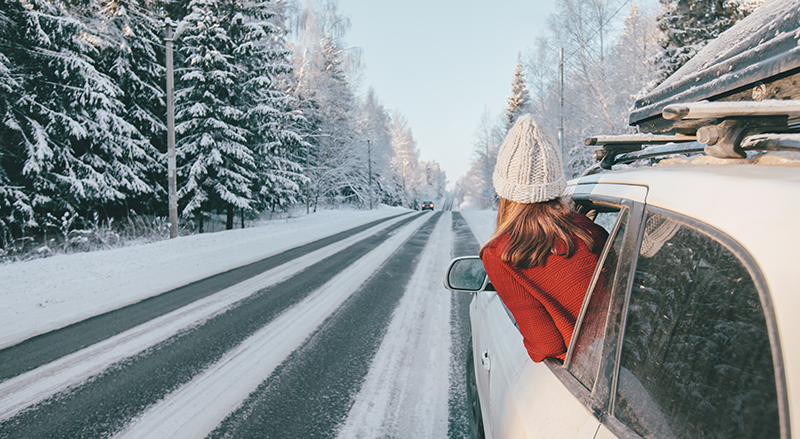
Imagine this: It’s a crisp December morning, and I’m loading up my old Subaru for a solo drive from Denver to the snowy peaks of Yellowstone. The air bites at my cheeks, but there’s that thrill in my gut—the kind that comes from knowing adventure awaits, even if Mother Nature throws a curveball. I’ve been chasing winter roads for years, from icy stretches in the Rockies to foggy coastal highways, and let me tell you, nothing beats the quiet magic of a snow-dusted landscape. But winter road trips aren’t just about the views; they’re about smart planning to stay safe and sane. If you’re dreaming of hitting the open road this season, these six tips will guide you through it all, drawing from my own close calls and triumphs.
Tip 1: Prepare Your Vehicle Thoroughly
Before you even map out your stops, getting your car winter-ready is non-negotiable. A quick tune-up can mean the difference between a smooth ride and a roadside headache. Think about it like prepping for a big game—you wouldn’t step onto the field without checking your gear.
Why Winter Tires Matter
Switching to winter tires isn’t just a suggestion; it’s a lifesaver on slick roads. They grip better in snow and ice, reducing stopping distances by up to 25%. I learned this the hard way on a trip to Lake Tahoe when my all-seasons spun out on a mild incline—thankfully, no damage, but it spooked me enough to invest in proper rubber.
Battery and Fluids Check
Cold snaps drain batteries faster than you’d expect, so test yours and replace if it’s over three years old. Top off antifreeze, wiper fluid, and oil too. On one foggy drive through Utah’s canyons, my battery died mid-nowhere, but a fresh one from the prior check saved the day—no waiting for a tow in freezing temps.
Pros and Cons of All-Wheel Drive Vehicles
Pros: Better traction in snow, enhanced stability on highways. Cons: Higher fuel costs, potential overconfidence leading to risky driving. For winter trips, AWD shines, but pair it with good tires for real security.
- Bullet point: Schedule a professional inspection at least two weeks before departure.
- Bullet point: Install snow chains if heading to mountainous areas like the Sierra Nevada.
- Bullet point: Keep a portable air compressor handy for tire pressure drops in cold weather.
Tip 2: Research Your Route and Monitor Weather
Mapping your path with winter in mind turns potential pitfalls into predictable detours. Apps and forecasts become your best friends here. I’ve rerouted entire trips based on a single storm warning, turning what could have been a disaster into a cozy cabin stay.
Best Tools for Real-Time Updates
Use apps like Waze or NOAA Weather for live road conditions and alerts. They’re free and update frequently. During a blizzard on I-70 in Colorado, Waze alerted me to a closure ahead, letting me detour to a safer path without losing much time.
Popular Winter Routes in the USA
Consider the Pacific Coast Highway for milder coastal vibes or Route 66 through the Southwest for less snow. From my experience, the drive from Seattle to Yellowstone offers stunning views but demands flexibility for weather shifts.
| Route | Distance (miles) | Highlights | Potential Hazards |
|---|---|---|---|
| Pacific Coast Highway (CA) | 600 | Ocean views, redwoods | Fog, minor landslides |
| Southwest Loop (AZ/UT) | 1,200 | Grand Canyon, Zion | Sudden snow in higher elevations |
| Florida Keys | 150 | Beaches, warm temps | Rare but possible cold snaps |
Navigational Tips for Snowy Roads
Print physical maps as backups since cell service can vanish in remote areas. On a Montana backroad, my GPS failed, but an old Rand McNally atlas guided me to safety—low-tech wins sometimes.
Tip 3: Pack a Comprehensive Emergency Kit
No one plans to get stuck, but winter amplifies the risks. An emergency kit is your insurance policy. I’ve been grateful for mine more times than I can count, like when a flat tire left me stranded in sub-zero Wyoming winds.
Essential Items for Survival
Include blankets, non-perishable snacks, and a flashlight with extra batteries. Water, a first-aid kit, and hand warmers round it out. Once, during a whiteout near the Great Lakes, those hand warmers kept frostbite at bay while I waited for help.
Where to Get Quality Gear
Shop at REI or Amazon for reliable kits—look for ones rated for extreme cold. REI’s winter survival kit is a solid start, packed with tested items that won’t fail when you need them most.
- Bullet point: Add a portable shovel and cat litter for traction under tires.
- Bullet point: Include a multi-tool for quick fixes like cutting branches.
- Bullet point: Pack medications and pet supplies if traveling with family or furry friends.
Pros and Cons of Pre-Made vs. DIY Kits
Pros of pre-made: Convenience, expert-curated. Cons: Might lack personalization. DIY lets you tailor to your needs, like adding my favorite energy bars for long waits.
Tip 4: Select Destinations That Suit Winter Travel
Winter transforms places, opening up unique experiences while closing others. Pick spots that embrace the season. My fondest memories are from off-peak visits to national parks, where solitude amplifies the beauty.
Top Warm Winter Escapes
Head to the Florida Keys for balmy beaches or New Orleans for cultural vibes without the crowds. A drive down the Keys in January felt like a tropical dream, with fresh seafood stops and zero snow worries.
Snowy Wonderland Spots
For snow lovers, Utah’s national parks like Arches or Bryce Canyon offer ethereal winter hikes. Bundled up in Bryce’s hoodoos under fresh powder, I felt like I’d stepped into a fairy tale—cold, but utterly worth it.
| Destination | Best For | Average Winter Temp | Transactional Tip |
|---|---|---|---|
| Florida Keys | Relaxation | 70°F | Book via Booking.com for deals |
| Utah Parks | Adventure | 30°F | Get passes at nps.gov |
| Lake Tahoe | Skiing | 25°F | Rent gear from local shops like Tahoe Dave’s |
What Is the Ideal Winter Destination?
It’s one that matches your comfort with cold—warm for escapes, snowy for thrills. Balance driving distance with activities to avoid fatigue.
Tip 5: Master Safe Winter Driving Techniques
Winter roads demand respect and adjusted habits. Slow down, stay alert—it’s not about speed, but arriving whole. A near-miss on black ice in Idaho taught me to treat every curve like a potential trap.
Handling Ice and Snow
Accelerate gently and brake early; avoid sudden moves. If skidding, steer into it calmly. Practicing in an empty lot before my first big trip built confidence that paid off during a stormy pass.
Best Practices from Experts
Follow NHTSA guidelines: Increase following distance to 8-10 seconds. On a family trip to the Smokies, this buffer prevented a pile-up when the car ahead fishtailed.
- Bullet point: Turn off cruise control in slippery conditions.
- Bullet point: Use low beams in fog or snow for better visibility.
- Bullet point: Pull over if fatigue hits—coffee helps, but rest is better.
Comparison: Manual vs. Automatic in Winter
Manual gives more control over gears for hills, but automatic is easier for beginners. I prefer manual for the feel, but either works with practice.
Tip 6: Enhance the Enjoyment Factor
A road trip should spark joy, not just endurance. Plan stops, playlists, and treats to keep spirits high. Turning a long drive into mini-adventures, like impromptu snowball fights, has made my winters unforgettable.
Packing for Comfort and Fun
Bring cozy blankets, hot cocoa thermoses, and audiobooks. On a route through the Appalachians, sharing stories via podcast turned hours into highlights.
Where to Find Great Stops
Use apps like Roadtrippers for hidden gems. Roadtrippers.com helped me discover a quaint diner in Nevada with the best pie—perfect for breaking up the drive.
- Bullet point: Schedule scenic pullouts for photos and stretches.
- Bullet point: Pack games or books for downtime in bad weather.
- Bullet point: Include healthy snacks to maintain energy without crashes.
Emotional Appeal: Why Winter Trips Bond Us
There’s something raw about winter travel—it strips away distractions, fostering deep connections. Whether solo or with loved ones, it reminds us of resilience, with a dash of humor when plans go awry, like that time my heater failed and we sang to stay warm.
People Also Ask
Drawing from common searches, here are real questions folks ask about winter road trips, answered briefly.
Is It Safe to Road Trip in Winter?
Absolutely, with preparation. Focus on weather checks and safe driving—millions do it yearly without issues. My trips prove it’s rewarding when done right.
What Should I Pack for a Winter Road Trip?
Essentials include warm clothes, emergency kit, and snacks. Don’t forget entertainment like playlists to combat boredom on long stretches.
What Are the Best Winter Road Trip Routes?
Try the Southwest for variety or coastal California for milder weather. Routes like Utah’s parks offer stunning, snow-kissed scenery.
How Do I Prepare My Car for Winter Driving?
Get a tune-up, install winter tires, and check fluids. It’s straightforward but crucial for avoiding breakdowns in remote areas.
FAQ
What is the most important tip for winter road trip planning?
Prioritize vehicle prep and weather monitoring—they prevent most problems. From experience, skipping these leads to regrets.
Where can I get the best winter driving gear?
Stores like AutoZone or online at Amazon.com offer affordable options. Look for reviews from cold-climate users.
What are the best tools for tracking road conditions?
Apps like 511 or state DOT sites provide real-time info. They’re free and user-friendly for on-the-go adjustments.
How long should I plan for a winter road trip?
Add 20-30% extra time for weather delays. A 500-mile drive might take 10 hours instead of 8—patience pays off.
Are winter road trips cheaper?
Often yes, with off-season rates on lodging and attractions. I’ve saved hundreds by traveling in January versus summer.
In wrapping up, winter road trips weave challenge with wonder, creating stories that linger long after the snow melts. Whether you’re chasing powder or fleeing it, these tips ensure your journey is as safe as it is spectacular. Hit the road, stay vigilant, and embrace the chill—adventure awaits.