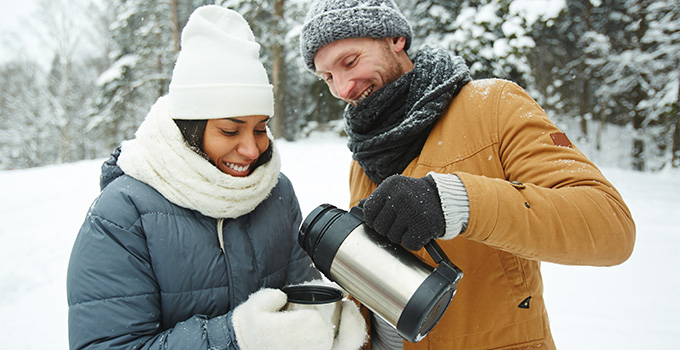
Winter travel holds a special kind of magic. Snow-dusted streets in European cities, crisp mountain air on a ski trip, or cozy holidays with family—there’s something undeniably enchanting about exploring when the world is blanketed in frost. But let’s be honest: the cold can quickly turn that magic into misery if you’re not prepared.
I’ve chased northern lights in Iceland, wandered Christmas markets in Prague, and even braved a surprisingly frigid New York December. One time in Lapland, I underestimated the wind chill and ended up huddled in a café, regretting my thin gloves while everyone else sipped hot chocolate unfazed. That trip taught me the hard way how crucial it is to dress and plan smartly. These days, I stay toasty without feeling like a stuffed snowman, and I’m excited to share my go-to strategies with you.
Whether you’re heading to a snowy destination or just navigating chilly airports and trains, these five tips will help you embrace winter travel comfortably. Let’s dive in.

Tip 1: Master the Art of Layering
Layering isn’t just a buzzword—it’s the secret to staying warm without bulk.
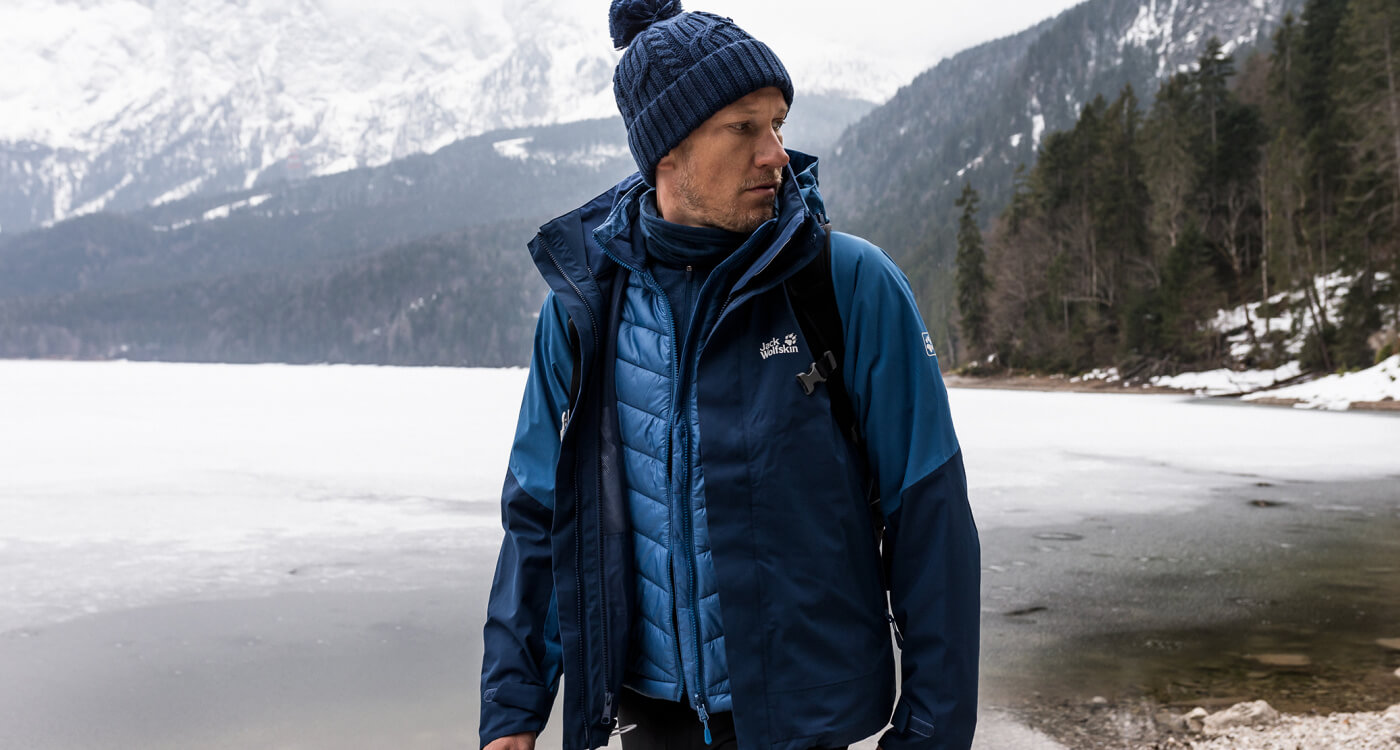
The idea is simple: multiple thin layers trap air better than one thick sweater, and they let you adjust as temperatures fluctuate. Start with a moisture-wicking base, add insulation, and finish with a protective shell.
I’ve found this approach lifesaving on trips where I’d be outdoors sightseeing then ducking into heated museums. Peel off a mid-layer inside, bundle up again outside—no sweating or shivering.
Why Layering Works So Well
Your body heat gets trapped between layers, creating natural insulation. Plus, wicking fabrics pull sweat away from your skin, preventing that clammy chill.
In extreme cold, like my Iceland adventure, layering kept me dry during snowy hikes.
Essential Layers Breakdown
Here’s a quick comparison of common layering options:
| Layer Type | Purpose | Best Materials | Examples for Travel |
|---|---|---|---|
| Base Layer | Wicks moisture, close to skin | Merino wool, synthetic blends | Long underwear, thermal tops |
| Mid Layer | Insulates and traps heat | Fleece, down, wool sweaters | Lightweight puffy jacket, fleece pullover |
| Outer Layer | Blocks wind, rain, snow | Waterproof/breathable shells | Gore-Tex jacket, insulated parka |
Pros of merino wool: Naturally odor-resistant (great for multi-day wear) and temperature-regulating.
Cons: Pricier than synthetics.
Synthetics dry faster if you get wet.
My Favorite Layering Combo
For most winter trips, I go with:
- Merino base top and bottoms.
- A thin fleece mid-layer.
- Packable down jacket for insulation.
- Waterproof shell on top.
This setup packs small in my backpack—more on that later—and adapts from mild to freezing days.

Tip 2: Prioritize Accessories—They Make or Break Your Warmth
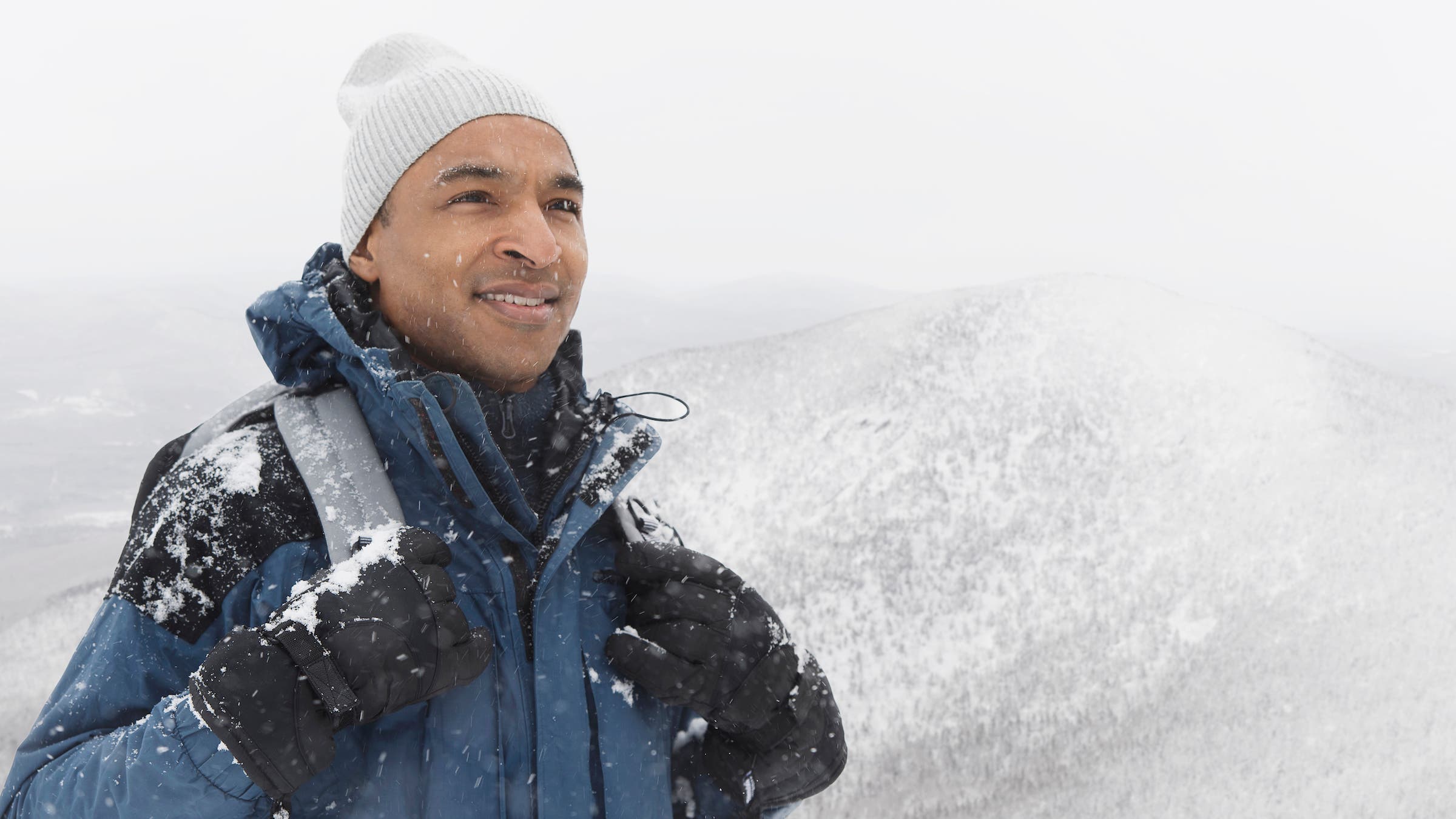
You lose a surprising amount of heat from your head, hands, and feet. Covering them properly can make you feel 10 degrees warmer instantly.
I learned this in Prague when I forgot a proper hat and spent the day with frozen ears. Now, accessories are non-negotiable in my packing list.
Must-Have Winter Accessories
- Hat or Beanie: Covers your head and can pull down over ears.
- Scarf or Neck Gaiter: Seals the gap at your neck—huge for wind protection.
- Gloves or Mittens: Mittens are warmer, but gloves offer dexterity for photos.
- Warm Socks: Wool or synthetic, never cotton (it holds moisture).
Pros and Cons: Gloves vs. Mittens
| Type | Pros | Cons | Best For |
|---|---|---|---|
| Gloves | Better finger movement for phones/cameras | Less warm overall | City exploring, photography |
| Mittens | Superior warmth (fingers share heat) | Limited dexterity | Extreme cold, minimal tasks |
I often pack both: touchscreen gloves for daily use and mittens for colder outings.
Don’t forget hand warmers—those little packets are game-changers for long outdoor days.
Tip 3: Choose the Right Footwear and Keep Your Feet Happy
Cold feet can ruin any trip. Invest in proper boots, and your whole body will thank you.
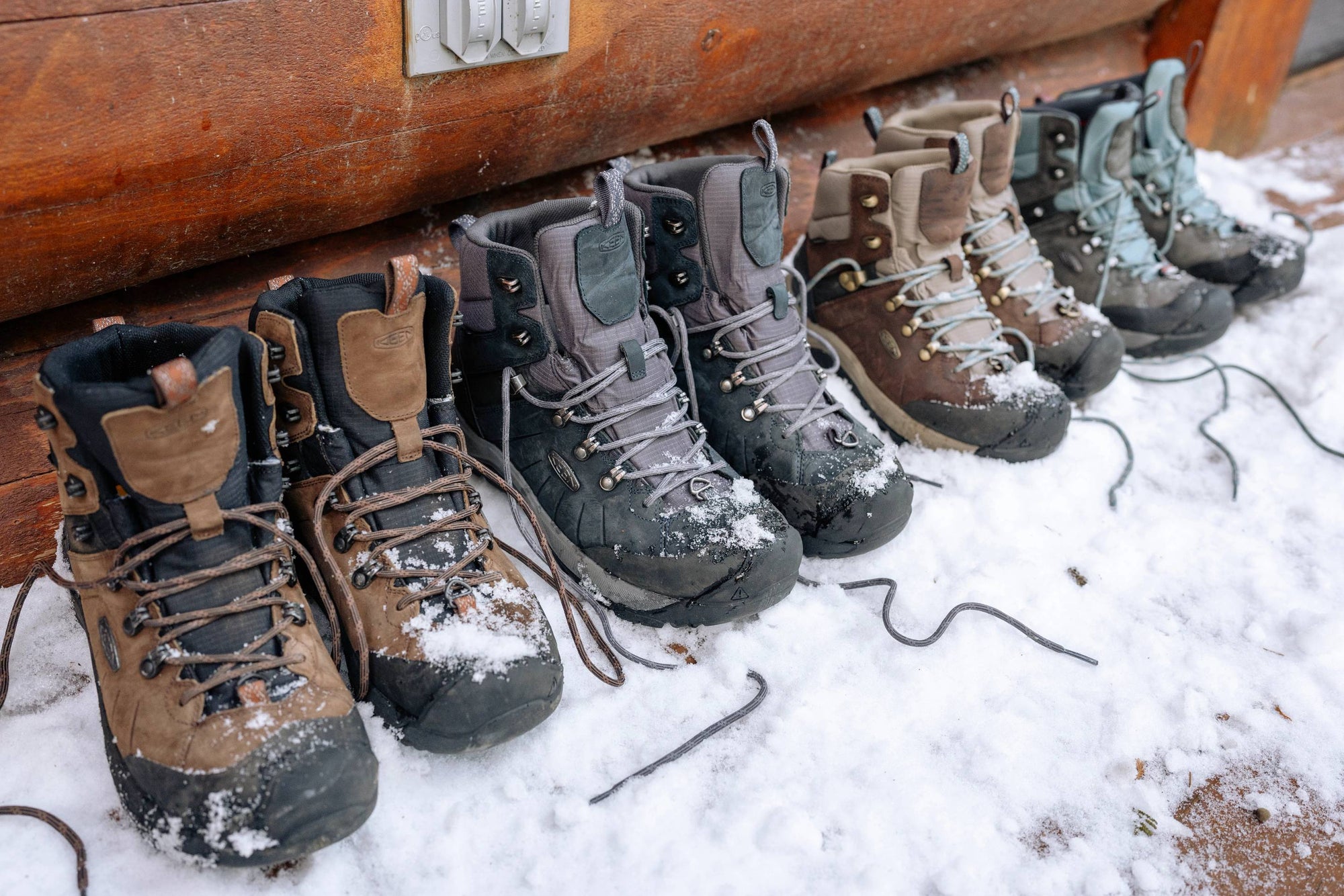
Waterproof, insulated boots with good traction are essential for snow or slushy streets.
Key Features to Look For in Winter Boots
Good insulation (at least 200g), waterproof membrane, and grippy soles.
Avoid fashion boots without real warmth—they look cute but leave you freezing.
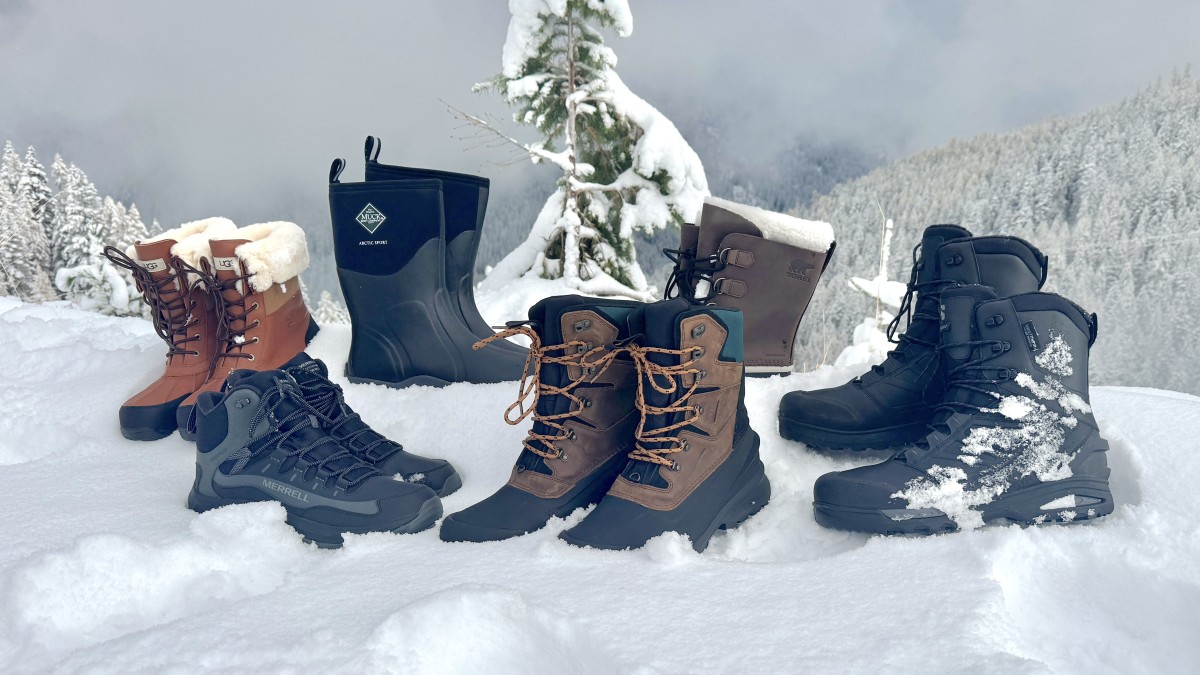
Comparison of Boot Types
- Hiking-Style Winter Boots: Excellent traction and support for walking tours.
- Snow Boots: Super warm, often bulkier.
- Chelsea or Ankle Boots with Insulation: Stylish for urban travel.
In my experience, brands like Sorel or Keen strike a great balance for travel—warm but not too bulky to pack.
Pair with thick wool socks, and consider foot warmers for extra-long days.
:max_bytes(150000):strip_icc()/tal-forsake-rosie-winter-sneaker-boot-sarah-barber-14-1-683ef83313564fb48a8704fc25bdd452.jpg)
Tip 4: Fuel Your Body from the Inside Out
Staying warm isn’t just about clothes—it’s about what you eat and drink too.
Hot beverages and nourishing foods help your body generate heat.
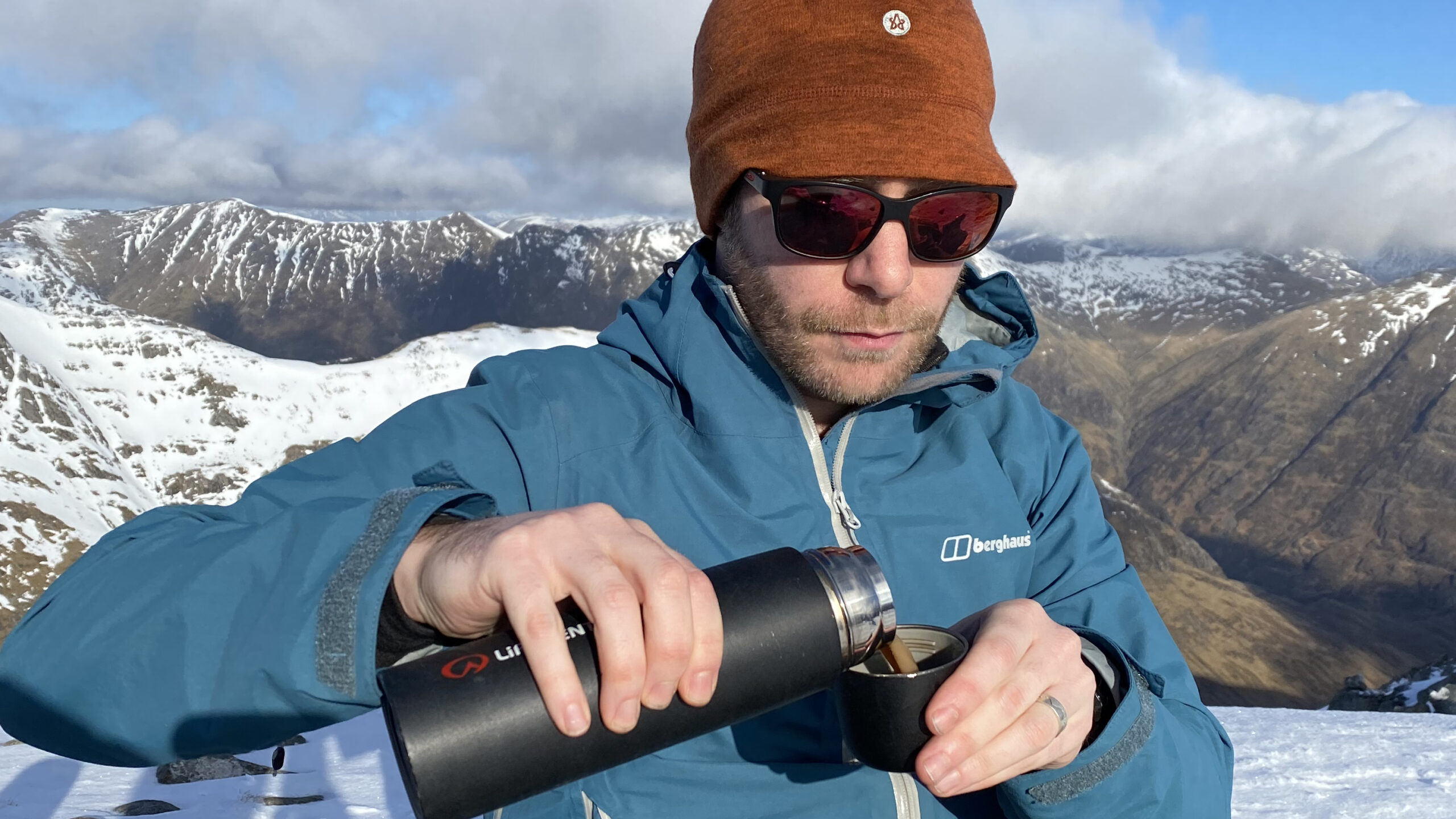
On a cold train ride in Scandinavia, a thermos of tea was my best friend.
Best Warming Foods and Drinks
- Hot soups or stews for meals.
- Ginger tea or hot chocolate.
- High-energy snacks like nuts, oats, or bananas.
Stay hydrated—cold air is dry, and dehydration makes you feel colder.
Avoid too much alcohol; it dilates blood vessels and can make you lose heat faster.
Quick Tips for On-the-Go Warmth
Carry a reusable thermos. Fill it with coffee, tea, or even soup.
Many cafes happily refill them.
Pack portable snacks that don’t freeze easily.
Tip 5: Pack Smart and Choose Cozy Accommodations
Efficient packing means you can bring warmth without overloading your bag. Opt for versatile, compact gear.
I love backpacks like the Nordace Siena series—they’re ergonomic, have smart compartments (including USB charging), and slide easily over luggage handles for airport dashes.
Packing Essentials for Winter Travel
- Compression cubes for bulky layers.
- Packable down items that stuff into their own pockets.
- Multi-use pieces, like a scarf that doubles as a blanket.
Choose stays with heating, perhaps a fireplace or sauna for that extra cozy factor.
There’s nothing like thawing out by a fire after a snowy day.


People Also Ask
Here are some common questions from travelers planning winter trips:
How can I stay warm on a plane in winter? Wear layers you can remove, bring a scarf or light blanket, and request hot drinks. Airplane cabins can be chilly.
What is the best base layer for cold weather travel? Merino wool tops the list for its breathability and odor resistance. Brands like Icebreaker or Smartwool are traveler favorites.
Do I need special gear for winter city travel vs. outdoor adventures? City trips need stylish, walkable warmth; adventures require more technical, waterproof items. Versatile pieces bridge both.
How do I avoid overheating indoors while dressed for outdoors? That’s the beauty of layering—shed mid-layers in heated spaces.
Are hand warmers worth packing? Absolutely, especially for outdoor activities. They’re lightweight and provide hours of relief.
FAQ
What are the biggest mistakes people make when dressing for winter travel? Wearing cotton (it holds moisture) or skipping accessories. Always cover extremities.
How many layers should I wear in freezing temperatures? Typically 3–4: base, mid, insulating, and shell. Adjust based on activity level.
Is merino wool worth the investment for occasional winter trips? Yes—it lasts longer, resists smells (fewer washes needed), and regulates temperature brilliantly.
What’s the best way to pack bulky winter clothes? Wear your bulkiest items on the plane, use compression bags, and choose packable down or synthetic insulation.
Can I stay warm without looking bulky? Definitely. Slim base layers, fitted mid-layers, and tailored outerwear keep you streamlined and stylish.
Winter travel doesn’t have to mean suffering in the cold. With these tips—layering wisely, prioritizing accessories, smart footwear, internal fueling, and efficient packing—you’ll stay comfortable and actually enjoy the chill.
I’ve turned my once-miserable cold trips into some of my favorites by preparing properly. Next time you’re bundling up for a winter getaway, try these out. You’ll wonder how you ever traveled without them.
Safe and warm adventures!