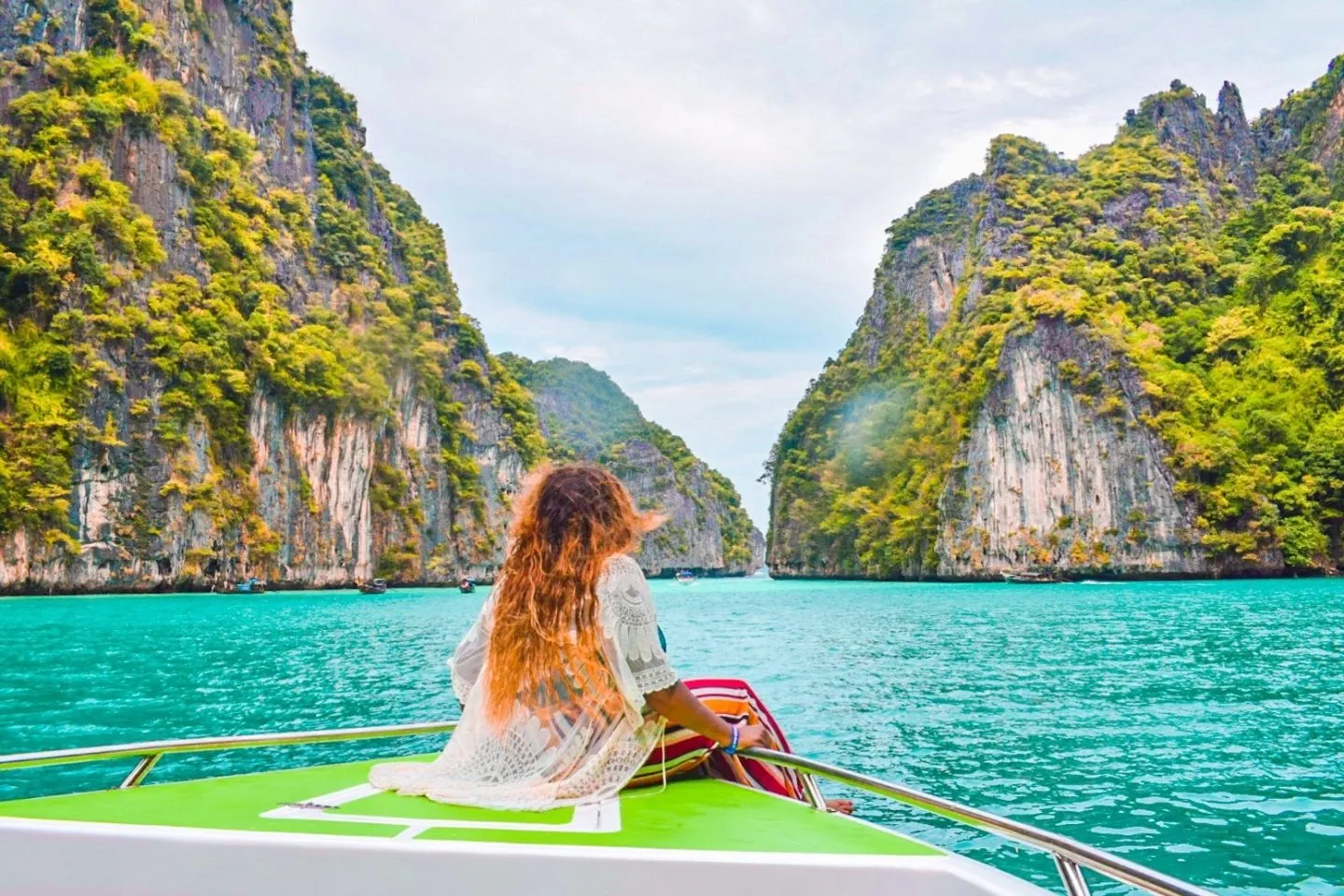
Traveling alone isn’t just about wandering off into the sunset with a backpack—it’s a profound journey of self-discovery, where every decision is yours and every mishap becomes a story worth telling. I still remember my first solo adventure to Southeast Asia back in my early twenties; I was equal parts thrilled and terrified, imagining worst-case scenarios from missed trains to awkward dinners for one. But what started as a leap of faith turned into one of the most empowering experiences of my life, teaching me resilience and the joy of unexpected connections. These 16 tips, drawn from my own travels and insights from fellow wanderers, are designed to help you not just survive solo travel but thrive in it, turning potential pitfalls into memorable triumphs.
Why Choose Solo Travel?
Solo travel offers unparalleled freedom, allowing you to craft your itinerary without compromise, whether that’s lingering in a quaint café or detouring to a hidden beach. It’s a chance to reconnect with yourself, away from the noise of daily life, and often leads to deeper cultural immersions since you’re more approachable to locals. However, it demands self-reliance, from navigating unfamiliar streets to handling emergencies alone, which can build confidence like nothing else.
Pros and Cons of Solo Travel
Solo travel has its highs and lows, but understanding them upfront can prepare you for the ride. Here’s a quick breakdown:
Pros:
- Total independence: Eat, sleep, and explore on your own schedule.
- Personal growth: Overcome challenges that sharpen your problem-solving skills.
- Easier connections: Locals and other travelers often engage more with solos.
- Cost flexibility: No splitting bills means you control your budget fully.
Cons:
- Potential loneliness: Meals alone can feel isolating at first.
- Higher costs for singles: Some accommodations charge supplements.
- Safety concerns: More vigilance needed without a companion.
- Logistical burdens: Handling all planning and luggage by yourself.
Essential Packing for Solo Travelers
Packing smart is crucial when you’re your own porter—overdo it, and you’ll regret every extra pound. Focus on versatile, lightweight items that serve multiple purposes, and always prioritize safety and comfort. Below is a table of must-haves based on my trips, categorized for easy reference.
| Category | Items | Why It’s Essential |
|---|---|---|
| Clothing | 2-3 versatile outfits, quick-dry layers, comfortable shoes | Adapt to weather changes without excess bulk; good shoes prevent blisters on long walks. |
| Tech | Portable charger, universal adapter, offline maps app | Stay connected and navigated even in remote areas; I once relied on this during a power outage in rural Thailand. |
| Safety | Door lock alarm, money belt, first-aid kit | Extra security for hostels or hotels; the alarm gave me peace of mind in sketchy neighborhoods. |
| Documents | Passport copies, travel insurance details, emergency contacts | Backups save the day if originals are lost; scan and email them to yourself. |
| Misc | Microfiber towel, reusable water bottle, snacks | Quick-dry towel for hostels; bottle saves money and reduces plastic waste. |
This setup kept me under 10kg on my last European jaunt, making train hops a breeze.
Tip 1: Research Your Destination Thoroughly
Before jetting off, dive deep into your destination’s culture, customs, and current events to avoid surprises that could derail your trip. Read travel forums, check government advisories, and learn about local scams—knowledge is your best defense. I once avoided a common taxi rip-off in Bangkok thanks to a quick online search, turning a potential hassle into a smooth arrival.
Tip 2: Plan a Flexible Itinerary
Outline key sights and bookings but leave room for spontaneity, as rigid plans can lead to stress when things go awry. Factor in rest days to combat jet lag or unexpected weather, and always have backup options for transport. On my solo hike in New Zealand, a sudden rainstorm forced a detour to a cozy café where I met lifelong friends—flexibility turned frustration into fortune.
Tip 3: Pack Light and Smart
Stick to a carry-on to avoid lost luggage woes, choosing multi-use items like a scarf that doubles as a blanket or sarong. Roll clothes to save space and use packing cubes for organization—it’s a game-changer for quick access. I learned this the hard way in Italy, lugging a heavy suitcase up endless stairs; now, I travel with half the stuff and twice the ease.
Tip 4: Prioritize Safety Without Paranoia
Stay aware of your surroundings, especially at night, and opt for well-lit paths or rideshares over walking alone in unfamiliar areas. Share your location with trusted contacts via apps, and trust your gut—if something feels off, remove yourself. During a late-night stroll in Paris, I ducked into a busy café when a situation seemed sketchy, proving caution doesn’t mean missing out on fun.
Tip 5: Budget Wisely for One
Account for single supplements on tours or rooms by seeking solo-friendly options like hostels or Airbnb shares. Track expenses daily with an app to avoid overspending on impulse buys. My budget for a month in Vietnam stretched further by eating street food and using public buses, leaving room for a splurge on a Halong Bay cruise.
Tip 6: Learn Basic Local Phrases
Mastering “hello,” “thank you,” and “help” can bridge gaps and endear you to locals, opening doors to authentic experiences. Apps like Duolingo make it fun and quick—practice before you go. In Japan, my fumbling attempt at “arigato” led to a kind stranger guiding me to a hidden ramen spot, turning a lost moment into a delicious memory.
Tip 7: Stay Connected but Not Glued to Your Phone
Inform family of your plans and check in regularly, using free Wi-Fi for updates rather than roaming data. Balance connectivity with presence—put the phone down to fully absorb your surroundings. I set daily check-ins during my Australian road trip, which eased my mom’s worries while letting me unplug and enjoy the outback’s vast silence.
Tip 8: Embrace Dining Alone
Choose counter seating or communal tables to feel less isolated, and bring a book or journal for company. Treat it as me-time to people-watch or reflect—it’s liberating once you get past the initial awkwardness. My first solo meal in Spain was tapas at a bustling bar; eavesdropping on locals’ chatter made it feel like I was part of the scene.
Tip 9: Join Group Activities
Sign up for walking tours, cooking classes, or hostel events to meet like-minded travelers without committing long-term. It’s low-pressure socializing that often leads to shared adventures. In Peru, a free walking tour in Cusco connected me with a group for Machu Picchu, transforming a solo trek into a shared wonder.
Tip 10: Secure Your Belongings
Use anti-theft bags, hotel safes, and never flash valuables to minimize risks in crowded spots. Split cash and cards across hidden pockets for backups. A pickpocket attempt in Rome failed because my money belt kept essentials safe, reminding me that prevention is better than cure.
Tip 11: Take Care of Your Health
Pack a basic first-aid kit, stay hydrated, and know where to find medical help—travel insurance is non-negotiable. Listen to your body; solo travel means no one else will notice if you’re pushing too hard. Jet lag hit me hard in India, but electrolytes and early nights kept me going without missing a beat.
Tip 12: Document Your Journey
Keep a journal or photo diary to capture thoughts and moments, helping process experiences and combat any fleeting loneliness. Share selectively online to stay connected without inviting envy. Flipping through my Morocco notes years later brings back the scent of spices and the thrill of haggling in souks.
Tip 13: Be Open to Serendipity
Say yes to invitations from trustworthy folks, like joining a local festival or hike—it’s where magic happens. Balance openness with caution, verifying details first. An impromptu beach barbecue in Bali, sparked by a chat with fellow hostellers, became the highlight of my trip, full of laughter and fireflies.
Tip 14: Handle Loneliness Gracefully
Acknowledge it’s normal, then counter it with self-care like a spa day or calling home. Use downtime for hobbies or meditation to recharge. During a quiet spell in Iceland, I turned solitude into solace by chasing northern lights alone, feeling profoundly alive under the stars.
Tip 15: Use Technology Wisely
Apps for translation, navigation, and safety alerts are lifesavers, but don’t rely solely on them—have paper backups. Offline maps saved me in remote Scotland when signal dropped, guiding me back to my B&B. Tech enhances, but instinct navigates.
Tip 16: Reflect and Adapt
At trip’s end, note what worked and what didn’t to refine future adventures—solo travel evolves with you. Celebrate wins, laugh at flubs; it’s all growth. My early trips were chaotic, but now they’re seamless, thanks to lessons like these that turned me from novice to nomad.
Solo vs. Group Travel: A Comparison
Wondering if solo is right for you? Here’s a side-by-side look at key aspects, based on my experiences juggling both styles.
| Aspect | Solo Travel | Group Travel |
|---|---|---|
| Flexibility | High—you pivot anytime. | Low—compromises needed. |
| Social Interaction | Organic, often deeper one-on-ones. | Built-in, but surface-level at times. |
| Cost | Can be cheaper without sharing fees. | Splits reduce per-person expenses. |
| Personal Growth | Intense self-reliance boosts confidence. | Shared challenges build team bonds. |
| Pace | Your rhythm, no rushing or waiting. | Group consensus can drag or hurry. |
Solo shines for introspection, while groups offer ready camaraderie—pick based on your mood.
People Also Ask
Drawing from common Google queries on solo travel, here are real questions travelers ponder, with practical answers to guide you.
Is Solo Travel Safe?
Absolutely, with smart precautions like sticking to populated areas and researching destinations. Millions do it yearly without issue; focus on awareness over fear.
How Do I Start Solo Traveling?
Begin small—a weekend getaway nearby—to build confidence, then scale up with research and planning. Choose beginner-friendly spots like Thailand or Iceland.
What Are the Best Destinations for Solo Travel?
Places like Japan for safety and efficiency, or New Zealand for adventure—opt for those with good infrastructure and solo-friendly vibes.
How to Meet People While Solo Traveling?
Stay in hostels, join tours, or use apps like Meetup; conversations often start naturally over shared experiences.
Is Solo Travel Lonely?
It can be, but it’s also empowering—many find deeper connections and enjoy the solitude. Balance with social activities.
FAQ
How much should I budget for solo travel?
Aim for $50-100 daily in affordable spots like Southeast Asia, covering food, lodging, and transport—adjust for luxuries. Factor in flights and insurance.
What if I get sick while traveling alone?
Have insurance, know local emergency numbers, and carry meds; hostels or hotels can often assist with doctors.
Are hostels safe for solo travelers?
Yes, choose well-reviewed ones with lockers and female-only dorms if preferred—read reviews on sites like Hostelworld.
How do I deal with language barriers?
Use translation apps and gestures; locals appreciate effort, and it often leads to fun interactions.
What’s the best way to book solo travel?
Use sites like Kayak for flights and Booking.com for stays—filter for solo perks.
Solo travel isn’t about escaping—it’s about embracing the world on your terms. With these tips, you’ll navigate challenges with grace, collecting stories that shape you. Whether it’s your first trip or fiftieth, remember: the real adventure is within. Safe journeys!