Imagine standing at the edge of a crystal-clear lake so blue it looks painted by the gods, surrounded by ancient volcanic cliffs that whisper stories of eruptions long past. That’s Crater Lake for you—a place where nature flexes its muscles in the most breathtaking way. But here’s the thing: while everyone flocks to the lake itself, the real magic often hides just beyond, in the thundering cascades that tumble down the surrounding forests and canyons. I’ve chased waterfalls all over the Pacific Northwest, from the misty giants in the Olympics to hidden gems in the Cascades, and let me tell you, the ones near Crater Lake hold a special spot in my heart. On my last road trip through Oregon, I ditched the crowds at the rim and ventured off the beaten path, getting soaked in spray and muddied boots along the way. It was one of those adventures where you end up laughing at your soggy self while feeling utterly alive. If you’re planning a visit, don’t just stare at the lake—dive into these waterfalls. They’re not just pretty sights; they’re portals to the wild soul of southern Oregon, offering everything from easy roadside peeks to heart-pumping hikes that reward you with solitude and stunning views. In this guide, I’ll walk you through the 11 best waterfalls near Crater Lake, sharing tips, trails, and a bit of that personal flair to help you craft your own unforgettable journey.
Plaikni Falls Trail At Crater Lake National Park
Why Visit Waterfalls Near Crater Lake?
There’s something primal about chasing waterfalls—they roar with life, carve through rock like time itself, and leave you feeling refreshed in body and spirit. Near Crater Lake, these falls aren’t just add-ons; they’re woven into the volcanic tapestry that makes this area unique, fed by snowmelt from the same ancient caldera. Whether you’re a seasoned hiker seeking solitude or a family looking for accessible wonders, these spots deliver. I remember dragging my reluctant buddy on a rainy day hike here, promising “just one more fall,” and by the end, he was hooked, declaring it better than any theme park thrill.
Planning Your Waterfall Adventure
Before you lace up those boots, a little prep goes a long way in this rugged corner of Oregon. Pack layers, as the weather flips from sunny to misty in minutes, and don’t forget bug spray for those lush forest trails. Aim for late spring through early fall when flows are strong and roads are open, but check park alerts for snow or closures. If you’re basing in nearby towns like Prospect or Klamath Falls, stock up on snacks—there’s nothing like picnicking by a cascade after a hike. And hey, if you’re like me and once got lost following a “shortcut,” stick to marked paths and apps like AllTrails for real-time guidance.
The 11 Best Waterfalls Near Crater Lake
I’ve curated this list based on accessibility, beauty, and that wow factor that lingers long after you leave. From park insiders to hidden forest treasures, each one offers a unique slice of nature’s drama. We’ll start with the easiest and work our way to the more adventurous, so you can pick what fits your vibe.
1. Plaikni Falls
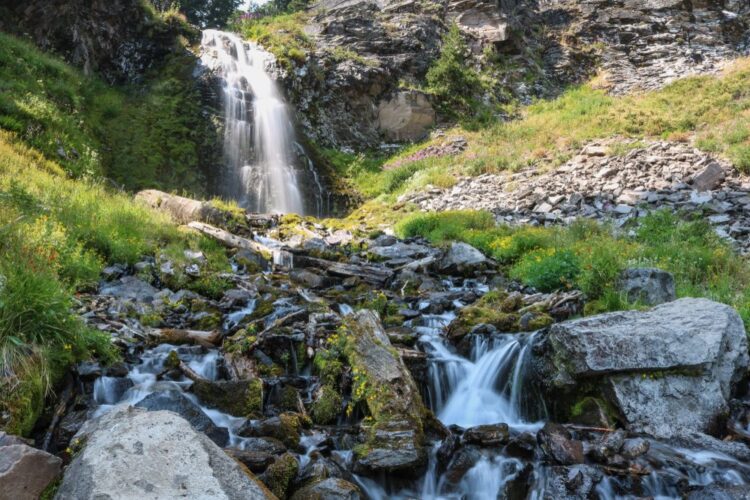
Tucked right inside Crater Lake National Park, Plaikni Falls feels like a secret garden escape, with water gushing from springs hidden in the volcanic soil. The trail winds through wildflower meadows buzzing with butterflies, leading to a 20-foot drop that’s more about the serene setting than sheer power. It’s perfect for a gentle introduction to the area’s hydrology, where snowmelt filters through pumice to create crystal-clear streams. On my visit, I sat there for an hour, watching the light dance on the water, feeling like I’d stepped into a fairy tale.
- How to Get There: Start from the Plaikni Falls Trailhead off Pinnacle Valley Road; it’s a 2-mile round-trip easy hike.
- Best Time: Summer for wildflowers.
- Tips: Bring binoculars for birdwatching.
2. Toketee Falls
If waterfalls had personalities, Toketee would be the elegant showstopper, plunging 113 feet in two tiers amid striking columnar basalt columns that look like nature’s architecture. Located where the North Umpqua and Clearwater Rivers meet, it’s a testament to the region’s geothermal past. The short hike down wooden stairs to the viewpoint gets your heart racing, but the reward is that postcard-perfect scene. I once timed my visit for golden hour, and the way the sun hit those rocks? Pure magic, though I did slip on the misty path—lesson learned, wear grippy shoes.
- How to Get There: Off Highway 138, about 50 miles west of Crater Lake; 0.8-mile round-trip trail.
- Best Time: Spring for peak flow.
- Tips: Avoid weekends to dodge crowds.
Hiking Trails In Southern Oregon
3. Vidae Falls
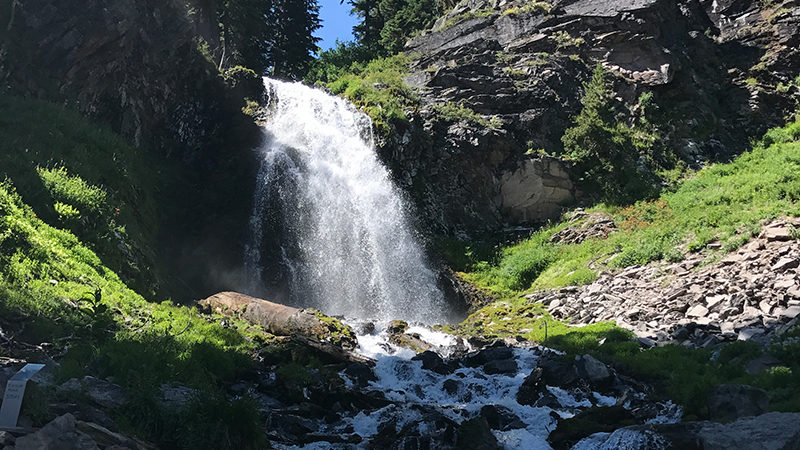
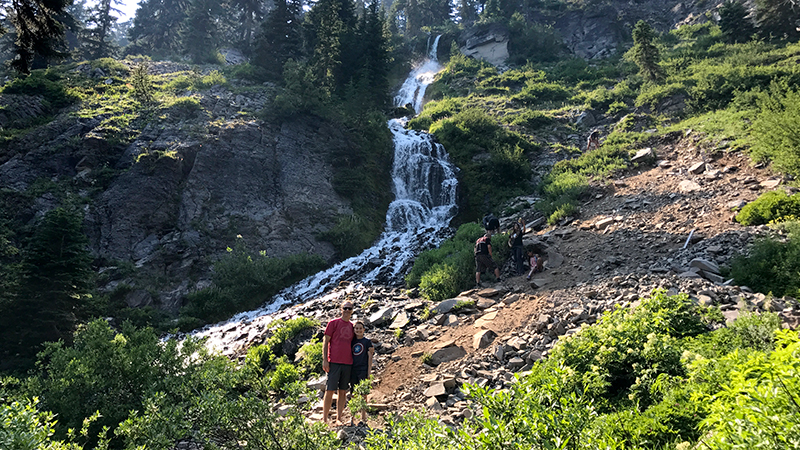
Vidae Falls is the ultimate drive-up delight, cascading 115 feet in a multi-step dance right beside the Rim Drive, making it accessible for all. Fed by a local spring, not the lake itself, it tumbles under the road in a frothy display of volcanic might. Pull over, snap a pic, or hike a bit closer for that immersive spray. During my family trip, my kids loved how easy it was—no complaints about long walks—and it sparked their curiosity about the park’s geology.
- How to Get There: Visible from East Rim Drive; short optional scramble for better views.
- Best Time: Early summer when wildflowers frame it.
- Tips: Great for those with mobility issues.
4. Watson Falls
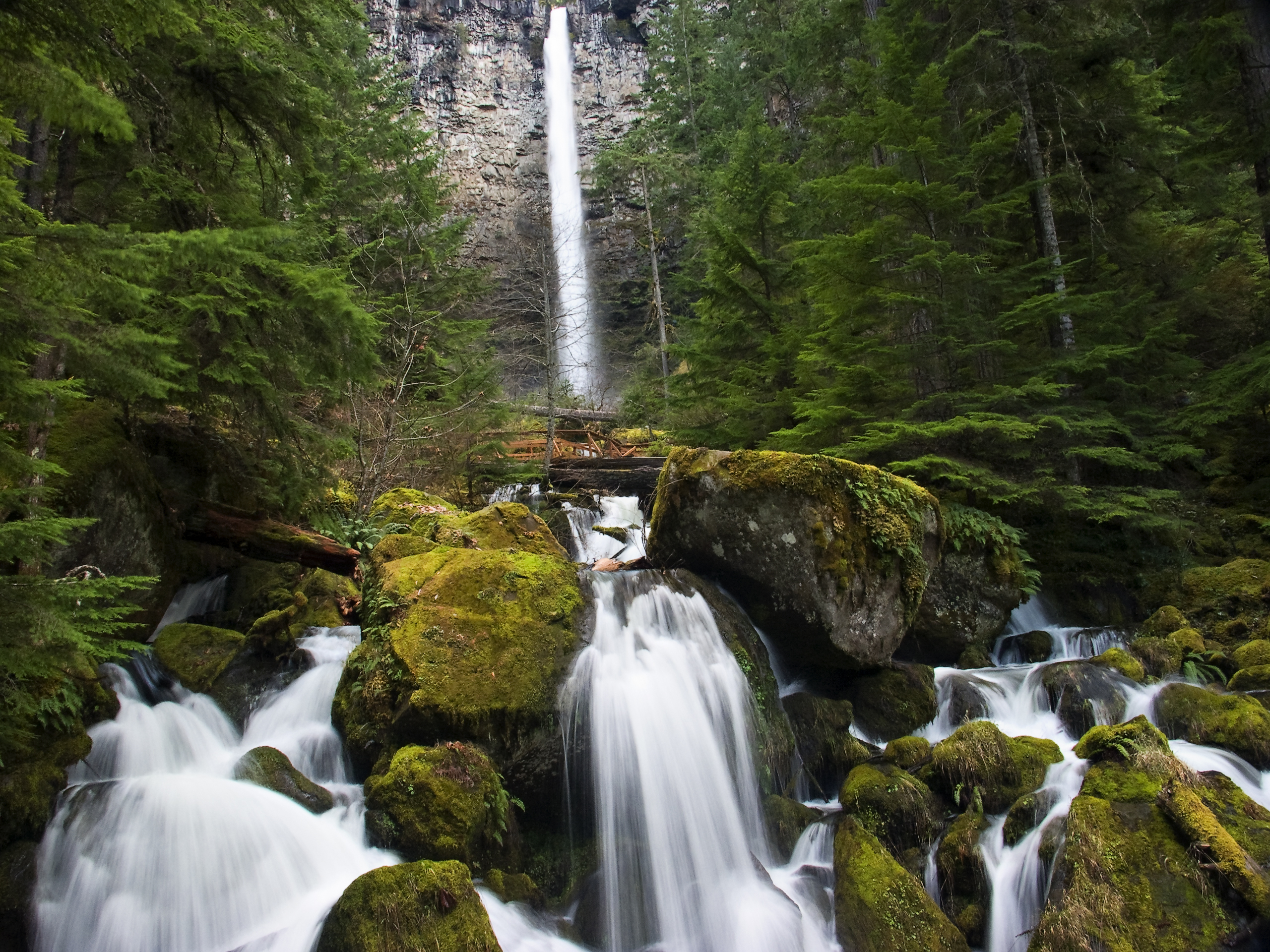
Towering at 272 feet, Watson Falls claims the title of tallest in the bunch, thundering over basalt cliffs in a misty veil that’s both intimidating and mesmerizing. You can even walk underneath for a natural shower if you’re brave. The trail crosses a footbridge with epic views, surrounded by old-growth forest. I recall hiking here after a Crater Lake sunrise, the cool air invigorating as the falls drowned out all worries—it’s therapy in liquid form.
- How to Get There: Off Highway 138, 47 miles from Union Creek; 0.6-mile easy loop.
- Best Time: After rain for fuller flow.
- Tips: Watch for slippery rocks near the base.
Hiking Trails In Southern Oregon
5. Whitehorse Falls
Compact but charming, this 15-foot drop punches above its weight, emerging from a narrow trough into a punchbowl pool amid mossy boulders and towering Douglas firs. It’s like a hidden oasis in the Umpqua National Forest. The quick trail from the campground makes it ideal for a spontaneous stop. On a solo drive, I pulled over here for lunch, the sound of the water lulling me into a peaceful nap—woke up refreshed and ready for more exploring.
- How to Get There: Near Highway 138 campground entrance; very short walk.
- Best Time: Year-round, but summer for swimming.
- Tips: Picnic areas nearby.
6. Clearwater Falls
Clearwater Falls tricks the eye, seeming to bubble straight from the earth through moss-covered rocks and roots in a 29-foot segmented drop. It’s a gentle, enchanting flow in the upper Umpqua drainage. The unique seepage effect from porous soil adds a mystical vibe. I brought my sketchbook here once, trying to capture that ethereal quality, but photos don’t do justice— you have to feel the cool, fresh air.
- How to Get There: Off Highway 138; short path to viewpoint.
- Best Time: Spring melt.
- Tips: Look for wildlife in the lush surroundings.
7. Mill Creek Falls
Diving 175 feet into a rugged gorge, Mill Creek Falls is a forceful spectacle, especially when viewed alongside its neighbor Barr Creek. The cliff-edge drop creates a booming echo across the canyon. Near Prospect, it’s a nod to the area’s logging history. Hiking here with friends, we debated which fall was more impressive, turning it into a fun game—spoiler, they’re both winners.
- How to Get There: Trail from Mill Creek Drive; moderate 1-mile round-trip.
- Best Time: Late spring.
- Tips: Binoculars for distant views.
8. Barr Creek Falls
Graceful and multi-tiered, Barr Creek Falls tumbles 240 feet total over volcanic ash walls, with steps of 60, 30, and 150 feet adding drama. Sharing the cliff with Mill Creek, it’s a two-for-one deal. The petrified ash surroundings tell tales of Mt. Mazama’s fury. I timed a sunset visit, the light turning the mist golden—romantic, even if I was alone with my thoughts.
- How to Get There: Same viewpoint as Mill Creek; easy access.
- Best Time: After storms.
- Tips: Sturdy shoes for rocky overlook.
9. Annie Creek Falls
At 53 feet, Annie Creek Falls is the tallest of the park’s named Annie drops, cascading down a slope in the historic Rim Village area. Flanked by ash cliffs, it’s a geologic showcase. The nearby picnic spot invites lingering. On a chilly morning hike, the steam rising from the water added a dreamy haze—felt like discovering a lost world.
- How to Get There: From Rim Village; short trail to view.
- Best Time: Summer.
- Tips: Combine with park history tour.
10. Stuart Falls
For those craving adventure, Stuart Falls rewards with isolation after an 11.5-mile trek, dropping in a secluded setting near the Pacific Crest Trail. The challenging path through pumice flats builds anticipation. I tackled this on a backpacking weekend, camping nearby—the falls’ roar as my lullaby was unbeatable, though my legs protested the next day.
- How to Get There: Pumice Flat Trailhead; strenuous out-and-back.
- Best Time: Mid-summer.
- Tips: Permit for overnight stays.
11. Duwee Falls
As the park’s largest named waterfall at over 100 feet, Duwee Falls plunges into a dramatic gorge carved by Munson Creek from Crater Lake seepage. Viewed from a distant pullout or partially on the Godfrey Glen Trail, it’s a testament to erosion’s power. The pyroclastic cliffs add eerie pinnacles. I strained my eyes with binoculars here, imagining the ancient eruption—humbling to think we’re just visitors in this timeless landscape.
- How to Get There: Roadside pullout or Godfrey Glen loop; 2.4-mile easy trail.
- Best Time: Late June.
- Tips: Avoid dangerous scrambles.
Vidae Falls At Crater Lake National Park
Comparison of These Stunning Waterfalls
To help you choose, here’s a handy table breaking down key details. I put this together based on my experiences and reliable sources, focusing on what matters most for planning.
| Waterfall Name | Height (ft) | Distance from Crater Lake (miles) | Hike Difficulty | Accessibility |
|---|---|---|---|---|
| Plaikni Falls | 20 | Inside park | Easy | High |
| Toketee Falls | 113 | 50 | Moderate | Medium |
| Vidae Falls | 115 | Inside park | Very Easy | High |
| Watson Falls | 272 | 60 | Easy | High |
| Whitehorse Falls | 15 | 55 | Very Easy | High |
| Clearwater Falls | 29 | 55 | Very Easy | High |
| Mill Creek Falls | 175 | 30 | Moderate | Medium |
| Barr Creek Falls | 240 | 30 | Easy | Medium |
| Annie Creek Falls | 53 | Inside park | Easy | High |
| Stuart Falls | Unknown | Inside park | Strenuous | Low |
| Duwee Falls | 100+ | Inside park | Easy | Medium |
This comparison shows a mix for all levels—use it to map out a day trip or multi-day quest.
Pros and Cons of Waterfall Hiking Near Crater Lake
Like any adventure, chasing these falls has its ups and downs. Here’s a balanced look to set expectations.
Pros:
- Diverse options from roadside to remote, suiting all fitness levels.
- Stunning volcanic backdrops unique to the region.
- Often fewer crowds than the lake itself, for that peaceful vibe.
- Opportunities for wildlife spotting and wildflower blooms.
Cons:
- Some trails close in winter due to snow.
- Bugs can be pesky in summer—pack repellent.
- Remote locations mean spotty cell service; prepare accordingly.
- High elevations can cause altitude issues for some.
Weighing these, the pros far outweigh the cons, especially if you’re prepared.
People Also Ask
Drawing from common queries I’ve seen (and asked myself), here are answers to top questions about these waterfalls.
Are there waterfalls inside Crater Lake National Park?
Yes, several like Plaikni, Vidae, and Duwee are within park boundaries, fed by the caldera’s unique hydrology. They’re accessible via short trails or drives, adding depth to your lake visit.
What is the easiest waterfall to access near Crater Lake?
Vidae Falls wins hands-down, visible right from the Rim Drive with no hiking required. It’s perfect for quick stops or those with limited mobility.
How far is Toketee Falls from Crater Lake?
About 50 miles west along Highway 138, roughly an hour’s drive. It’s worth the detour for its iconic basalt formations.
Can you swim in any of these waterfalls?
Some pools like at Whitehorse or Clearwater allow dipping on warm days, but always check currents and water temps—safety first!
What’s the best season for waterfall viewing here?
Late spring to early summer for peak flows from snowmelt, though fall offers colorful foliage with fewer visitors.
FAQ
What gear do I need for hiking to these waterfalls?
Essentials include sturdy hiking shoes, water, snacks, a map app, and rain gear. For longer treks like Stuart Falls, add a first-aid kit and headlamp.
Are dogs allowed on these trails?
In Crater Lake National Park, pets are prohibited on trails but okay on leashes in parking areas. Check forest service rules for others, like Umpqua.
How much does it cost to visit?
Park entry is $30 per vehicle for 7 days; some falls outside are free. Consider an America the Beautiful pass for frequent visits.
Where can I stay near these waterfalls?
Options range from Crater Lake Lodge (book early) to campgrounds like Mazama Village or dispersed sites in Umpqua Forest. For towns, try Prospect’s historic inns.
What if I encounter wildlife?
Keep distance, store food properly, and make noise on trails. Bears and deer are common—respect their space for safe encounters.
In wrapping up, these 11 waterfalls near Crater Lake aren’t just destinations; they’re experiences that connect you to the raw power of nature. From the gentle trickle of Plaikni to the mighty roar of Watson, each one has etched a memory in my travels. Whether you’re seeking solitude, family fun, or that perfect Instagram shot, hit the trails and let the water guide you. Safe adventures out there— and if you spot a hidden gem I missed, drop a comment below. For more on exploring Oregon’s small towns, check our guide to Crater Lake itineraries or external resources like the National Park Service site. Happy waterfall hunting!